Most building permit delays in Addis Ababa start before the application is filed: a missing document, drawings that don't match the plan agreement, or a design begun before planning consent. This checklist sets out what to prepare, in the order you will need it.
The law behind the permit
Building permits in Ethiopia now follow the Ethiopian Building Proclamation No. 1356/2024. It entered into force on 7 May 2025, when it was published in the Federal Negarit Gazette, and replaced the earlier Proclamation No. 624/2009. Its stated aims are to protect public health and safety, make buildings accessible to people with disabilities, and enforce the Building Codes of Ethiopia.
The proclamation sorts buildings into four categories. Your category decides how closely the design and construction are checked, and how long you have to finish.
| Category | What it covers |
|---|---|
| A | One-storey residential buildings |
| B | Residential or apartment buildings of two to four storeys, or single-storey structures spanning 7 to 12 m |
| C | Buildings of five to twelve storeys, or spans of 12 to 19 m, including factories and public utilities |
| D | Buildings above twelve storeys, spans over 19 m, five or more basement levels, and critical public or industrial buildings |
Step 1: Get the plan agreement first
The plan agreement (planning consent, ፕላን ስምምነት) confirms what the city plan allows on your plot: land use, how much you can build and the infrastructure it connects to. Get it before your architect starts the permit design. A design drawn before the plan agreement often has to be redrawn.
Prepare:
- The title deed map (ካርታ): the original plus copies
- The lease contract, if the land is leasehold
- Your ID and, if someone applies for you, a signed authorisation
- The completed application form
If your land is leasehold, check the deadline in your lease contract for applying for the construction permit. Earlier guidance set it at three, six or nine months from signing, depending on the size of the project.
Step 2: Prepare a complete, consistent design set
The permit office reviews each discipline separately, so every set must be complete and agree with the others.
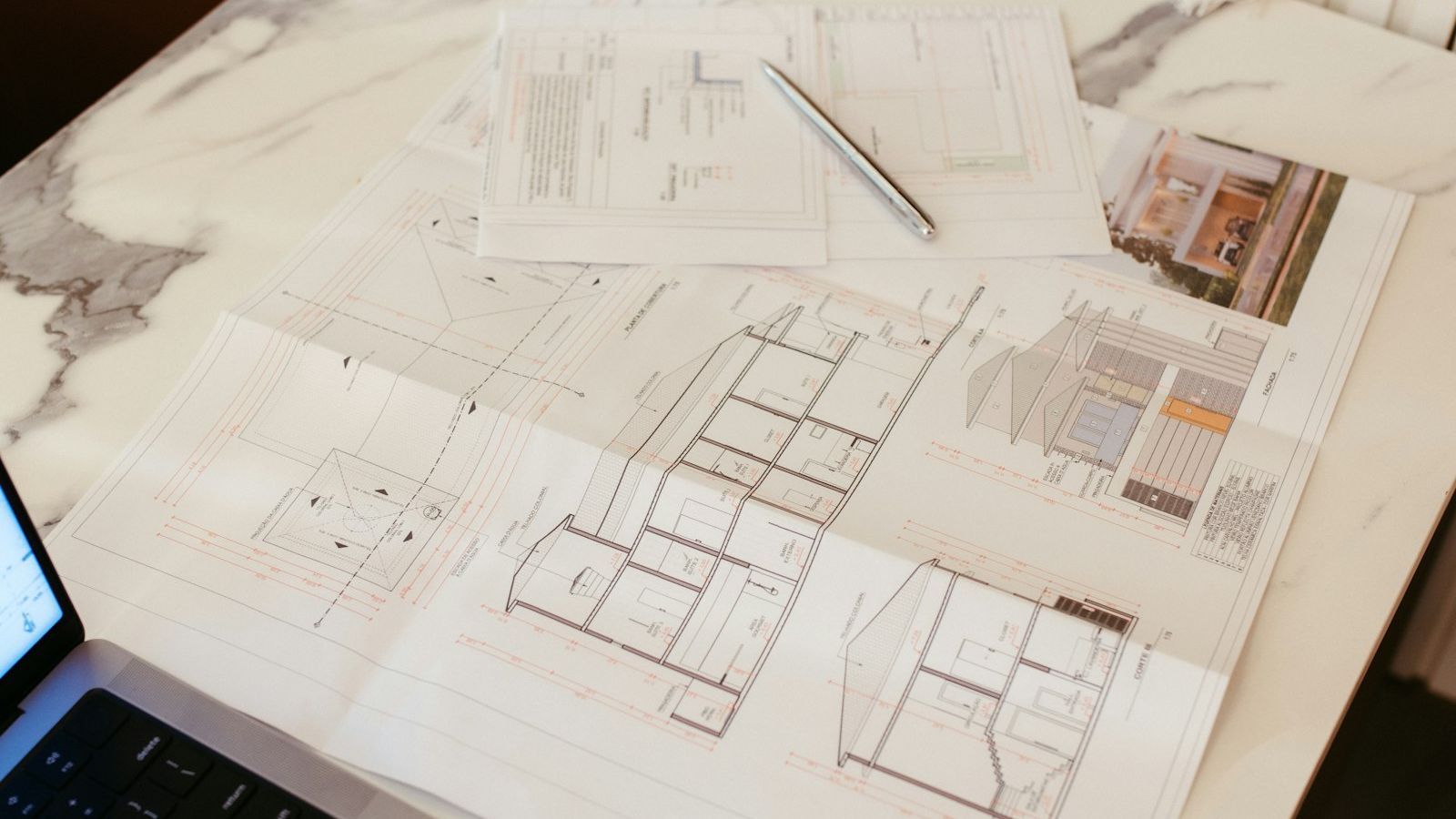
- Architectural: site plan showing boundaries and distances, floor plans, sections, elevations, roof plan and area schedule
- Structural: foundation and framing drawings with structural calculations
- Electrical and sanitary (water supply and drainage) drawings; mechanical drawings for larger buildings
- Soil investigation report, which the structural design depends on
The proclamation adds requirements the design must show. Buildings need universal (accessible) design. Owners must control and safely dispose of stormwater. Non-residential buildings need space for solid waste storage, and public buildings must use fire-resistant materials. Category D designs must also allow for renewable energy and encourage green construction.
Drawings must be prepared and signed by registered professionals whose licence covers your building's category.
Step 3: Add the supporting reports
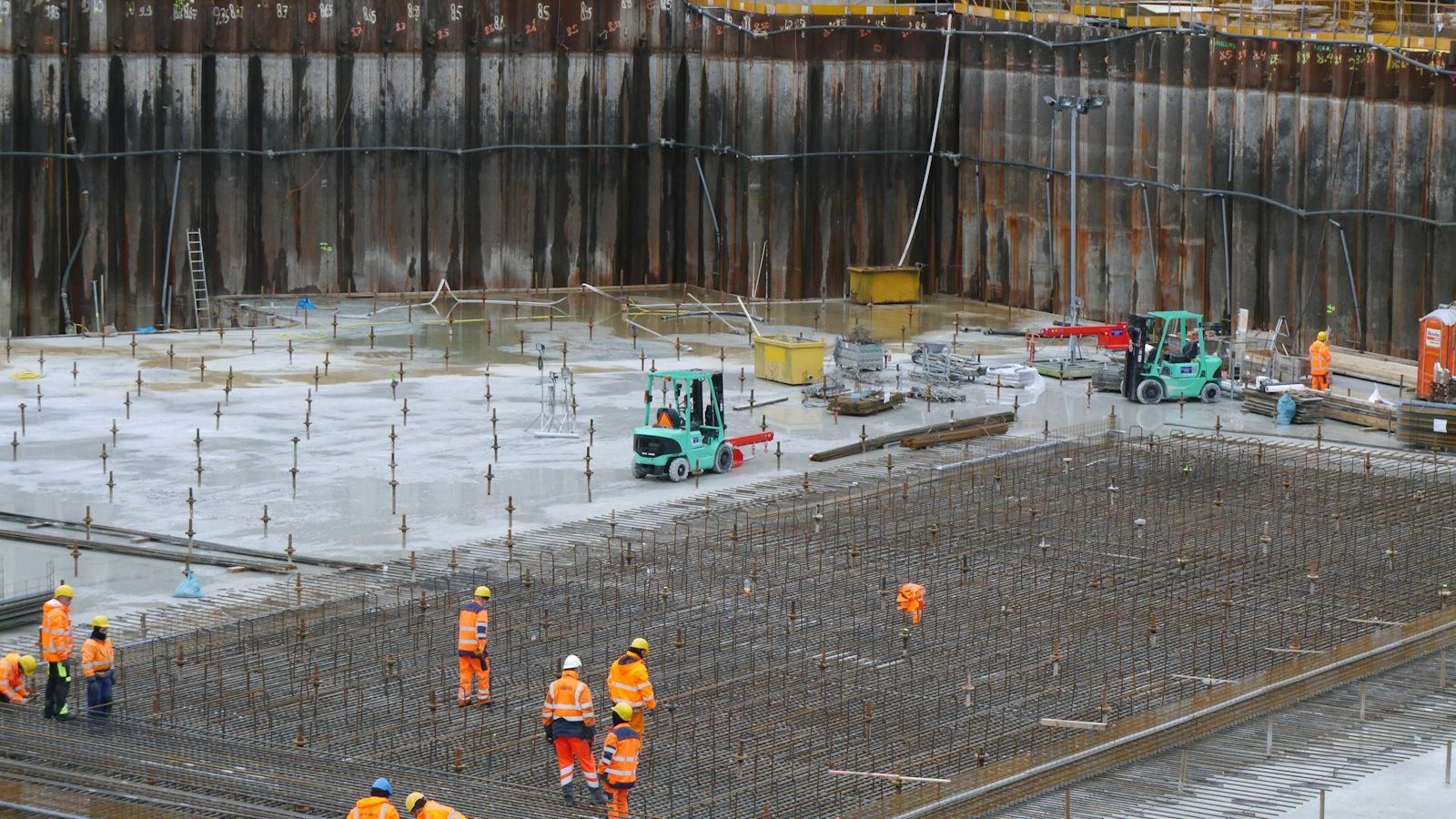
Some projects need more than drawings. Larger or sensitive projects may need an environmental impact assessment letter from the environmental protection authority. Deep basements need excavation support (shoring) designed as part of the structural package. Ask your consultant early which reports your project needs, because some take weeks to obtain.
Step 4: Apply online
The Addis Ababa City Construction Permit and Control Authority now takes applications through its online system, CPCS, at cpca.aacp.gov.et. You sign in with a Fayda ID, Addis Ababa City ID or TIN, fill in the digital form, attach your drawings and track each discipline review online. The portal lists the processing time, fee and required documents for each service, so check them there before you apply.
After the permit is issued
- Start on time. A construction permit expires if work does not begin within six months.
- Finish on time. Once work has started, the time allowed to finish ranges from 2 years and 6 months for Category A to 6 years for Category D. After that, the design must be approved again.
- Protect the public. Protective fences or shelters must go up before construction or demolition begins.
- Insure the work. On Category B and C buildings, contractors must provide liability insurance or a guarantee against damage caused by quality failures.
- Get the use permit. When the building is finished, the authority inspects it before you can occupy it. Changing a building's use later also needs approval.
Five common reasons for delays
- The design does not match the plan agreement (use, floors or plot coverage).
- Areas or dimensions differ between the architectural and structural drawings.
- Structural calculations or the soil report are missing.
- Drawings are unsigned, or signed by a professional whose licence does not cover the category.
- The name on the title deed does not match the applicant, with no authorisation attached.
Frequently asked questions
Which law governs building permits in Ethiopia?
The Ethiopian Building Proclamation No. 1356/2024, in force since 7 May 2025. It replaced Proclamation No. 624/2009.
Can I apply for a building permit online in Addis Ababa?
Yes. The Addis Ababa City Construction Permit and Control Authority accepts applications through its online system, CPCS, using a Fayda ID, Addis Ababa City ID or TIN.
How long is a construction permit valid?
It expires if construction does not start within six months. Once work starts, the time allowed to finish ranges from 2 years and 6 months (Category A) to 6 years (Category D).
Do I need the plan agreement before designing?
Yes. The plan agreement confirms what the city plan allows on your plot, so a permit design should be based on it.