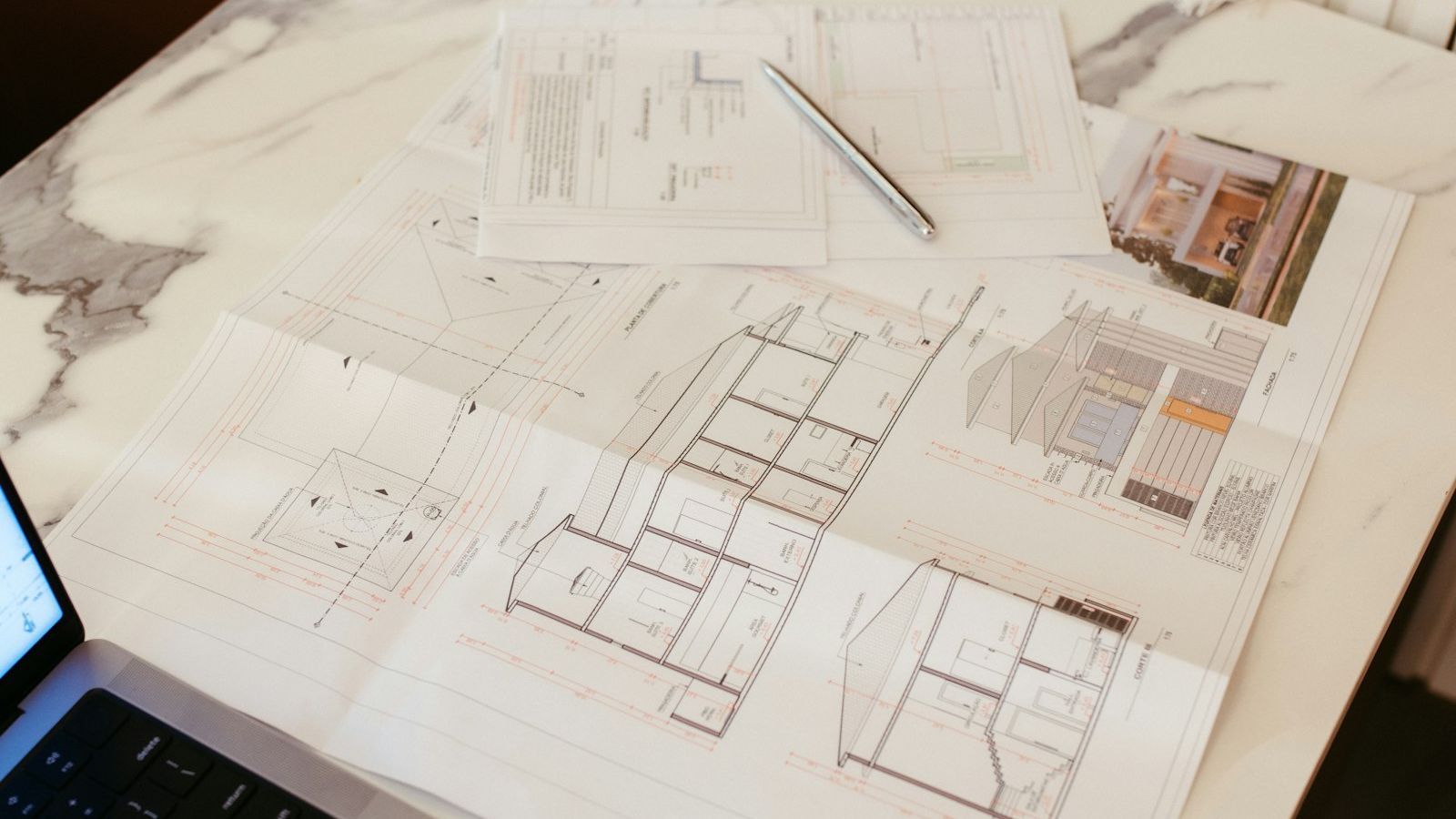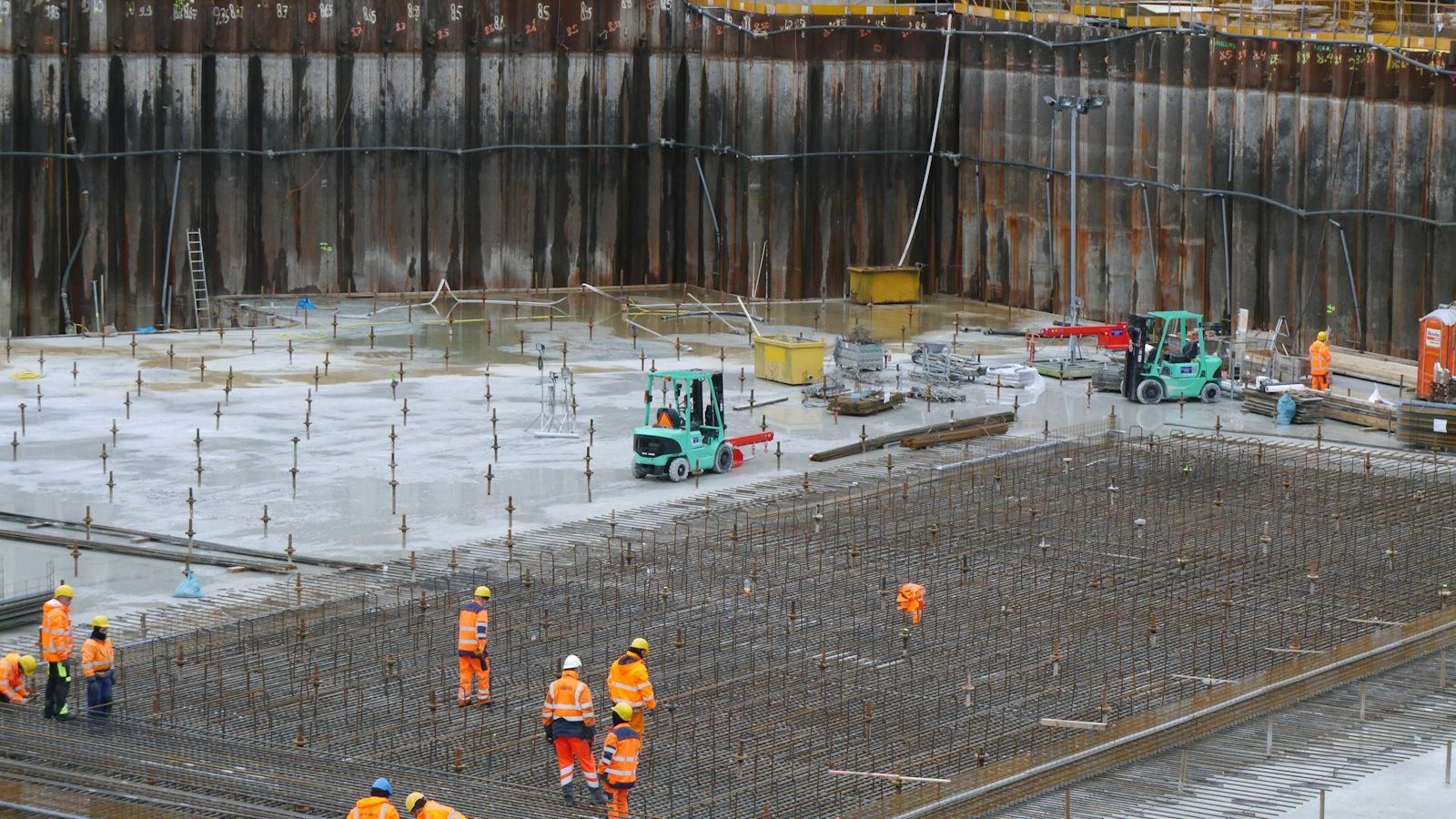
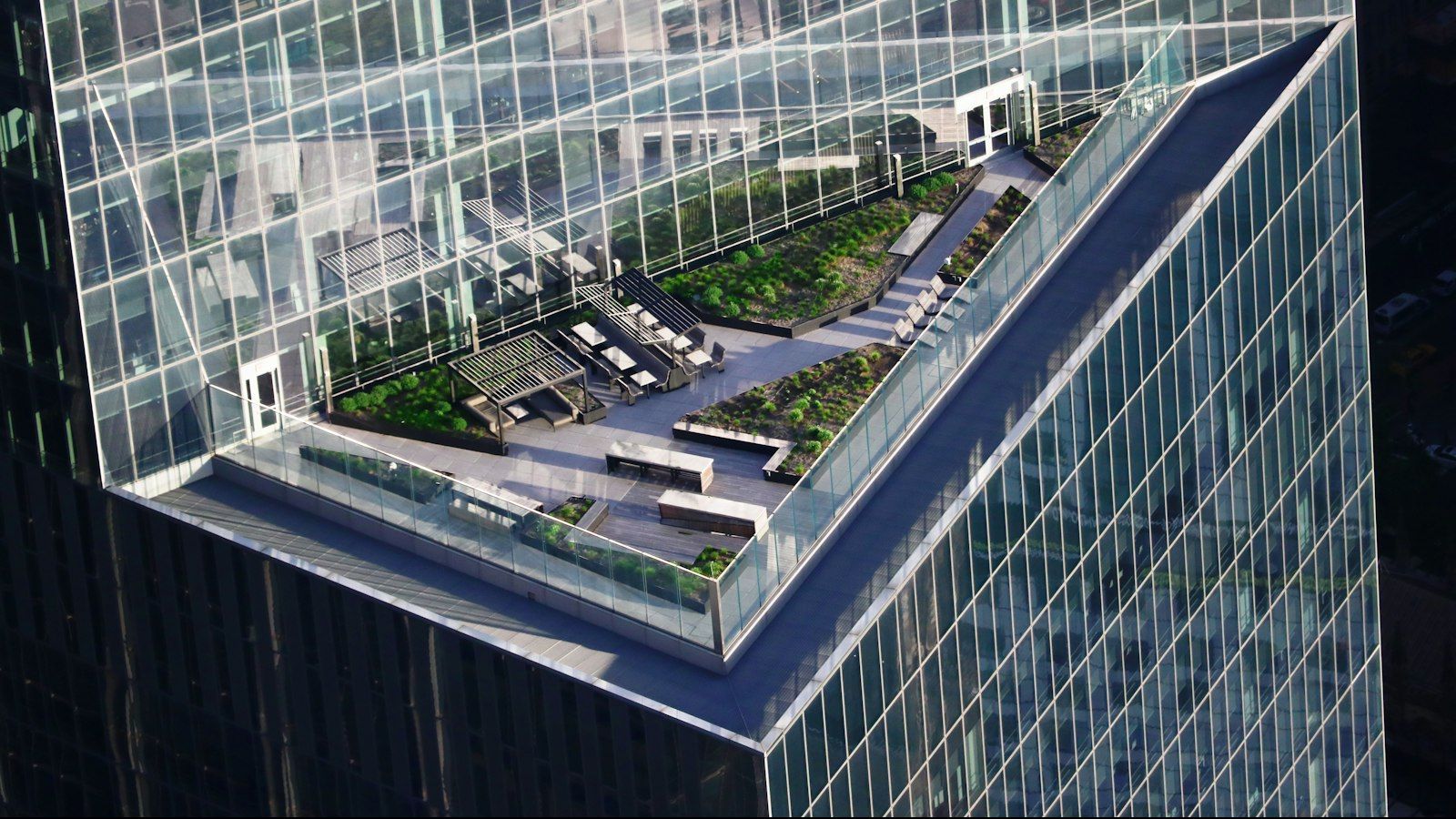
As Addis Ababa grows upward, private outdoor space is disappearing. Gardens at height can bring it back, but only if they are designed into the structure from the first sketch, not added once the frame is up.
Four ways to plant a tall building
- Balcony planters: built-in planters on each apartment's balcony.
- Sky gardens: shared double-height terraces every few floors, such as one patio for each group of three floors.
- Roof gardens: planting on the roof, often combined with play or seating areas.
- Green walls: climbing plants or modular planted panels on the façade.
The best-known example
Milan's Bosco Verticale (Vertical Forest), designed by Boeri Studio and completed in 2014, is two residential towers of 80 m and 112 m. They hold 480 large and medium trees, 300 small trees, 11,000 perennial and ground-cover plants and 5,000 shrubs.
Arup carried out the structural and geotechnical engineering, including wind tunnel tests. The planters on the 3.3 m deep cantilevered terraces have a bituminous waterproofing membrane, protective sheeting against root penetration and automatic irrigation. The condominium, not individual owners, is responsible for maintaining and replacing the plants.
Five things to design for
- Load. Saturated soil is heavy, and plants grow. At Bosco Verticale, the depth of the deepest planter set the load the terraces had to carry. Your structural engineer needs planter sizes, soil depth and plant sizes at maturity early in design.
- Waterproofing and roots. Every planter needs a waterproof membrane and a root barrier, with protection so roots cannot damage either.
- Drainage and irrigation. Planters need drainage layers, overflow outlets and a reliable watering system, usually drip irrigation on timers.
- Wind. Wind is stronger at height. Trees and large shrubs may need restraints, and plants must be chosen for exposure.
- Maintenance. Decide who maintains the planting, how they reach it safely, and how it is paid for, before the building is sold.
Designing for Addis Ababa
Addis has a long dry season from about October to May and heavy kiremt rains from June to September. A high-rise garden here needs irrigation for the dry months and drainage sized for the rains. Strong highland sun on upper floors also favours drought-tolerant plants. A landscape specialist should choose species suited to the city's altitude and climate.
Done well, planting shades windows, gives residents outdoor space and makes a tower easier to live in.
Frequently asked questions
Can any balcony take a planter?
Only if the structure was designed for it. Wet soil and mature plants are heavy, so a structural engineer must check the load before planters are added.
How are high-rise gardens watered?
Usually with automatic drip irrigation on timers, with drainage layers and overflow outlets so planters never hold standing water.
Who maintains gardens on an apartment building?
It should be decided before sale. At Milan's Bosco Verticale, the condominium is responsible for maintaining and replacing all the vegetation.