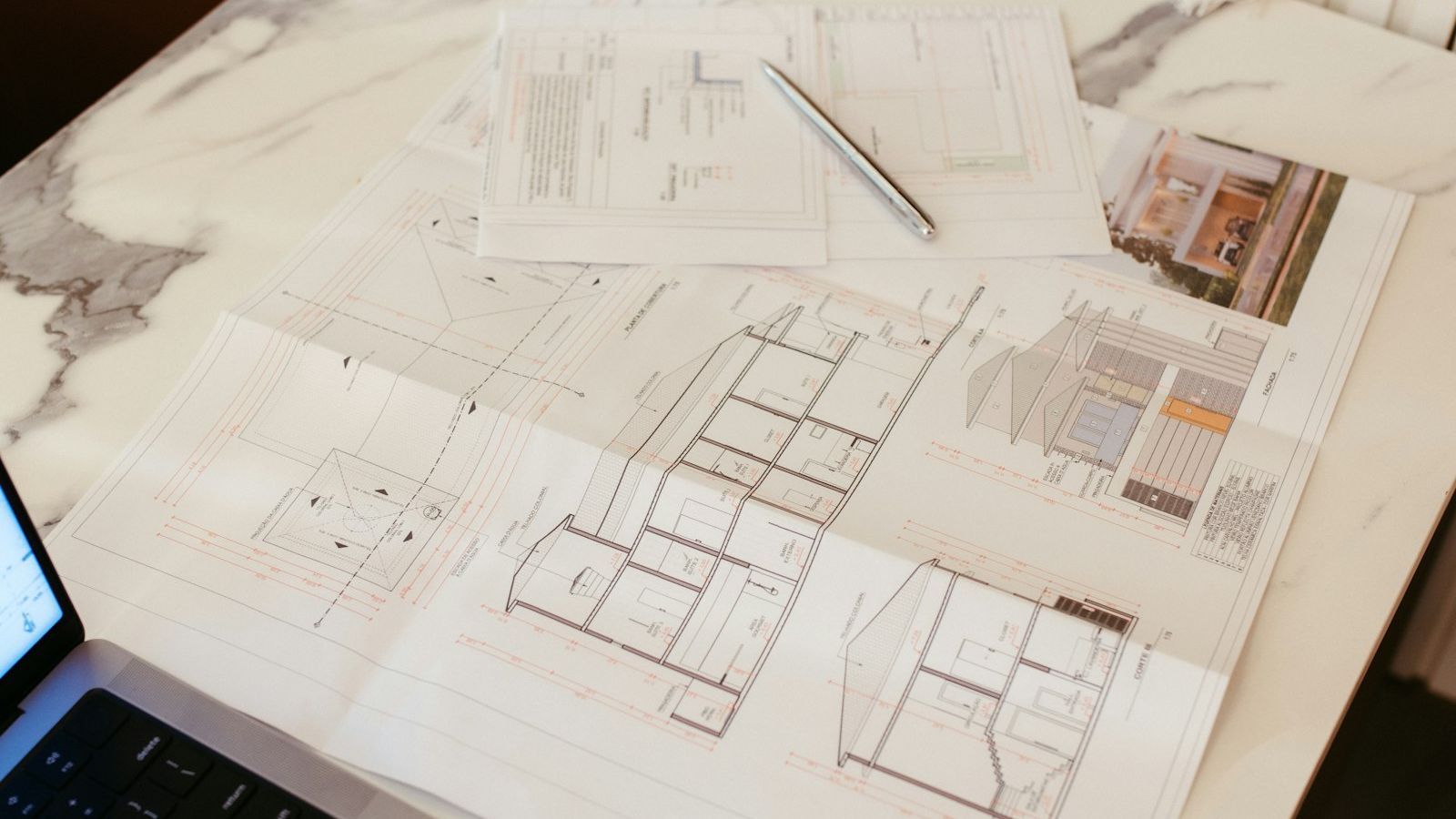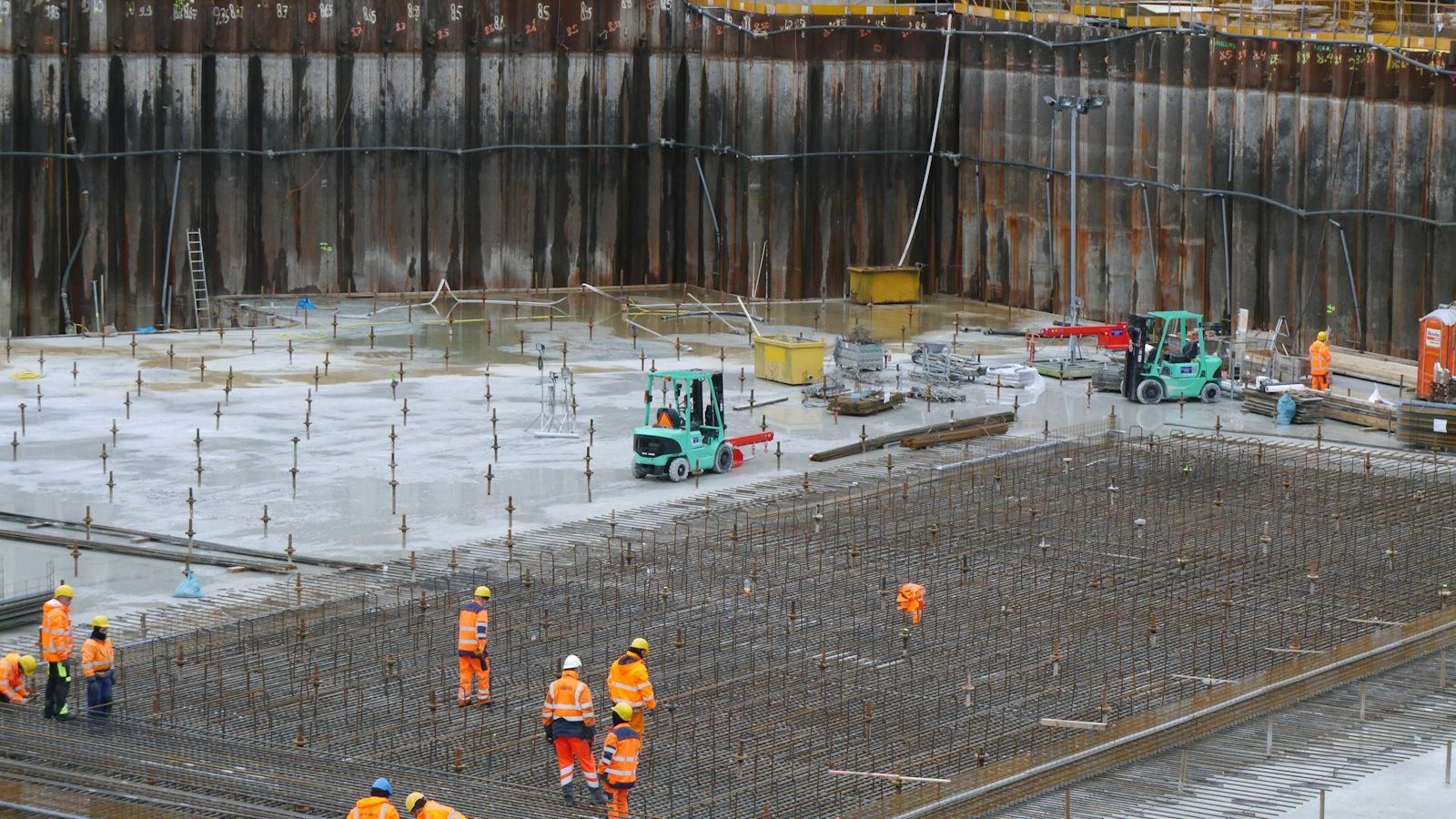

A resident engineer (RE) is a professional engineer placed full time on site by the supervising consultant. Their job is to make sure the contractor builds what was designed, to the quality, time and cost set in the contract.
Who the resident engineer works for
The RE represents the consultant, often called "the Engineer" in the contract, acting for the owner. They are not part of the contractor's team. They act within the authority the consultant delegates to them in writing. If the owner gives the RE an instruction directly, the RE should discuss it with the Engineer before acting on it.
What they do
| Area | What the RE does |
|---|---|
| Quality | Inspects materials and workmanship; checks reinforcement, formwork and cover before concrete is poured; rejects work that does not meet the specification |
| Testing | Arranges or witnesses tests, such as concrete cubes and slump tests, and keeps the results |
| Methods | Reviews the contractor's method statements and temporary works, such as scaffolding, formwork and excavation support |
| Records | Keeps a daily site diary: weather, workforce, equipment, progress, instructions and incidents |
| Payment | Measures completed work and checks the quantities behind each payment certificate |
| Time | Reviews the contractor's programme and reports delays early |
| Changes | Records variations, receives the contractor's claims and recommends a response to the Engineer |
| Safety | Monitors safety and environmental compliance on site |
| Handover | Compiles as-built drawings and the completion report |
A typical day on site
- Morning walk-round: check what is starting today, and that materials delivered match the approved samples.
- Hold-point inspection: check the rebar and formwork for a slab before the contractor may pour.
- Pour: witness slump tests and the casting of cube samples.
- Afternoon: answer the contractor's questions on the drawings, and record any site instruction.
- End of day: write up the site diary.
Resident engineer or site engineer?
The names sound alike, but the roles sit on opposite sides of the contract. The site engineer works for the contractor and organises the building work. The resident engineer works for the consultant and the owner, and checks that the work is right. A project needs both.
What to ask your resident engineer for
- Access to the site diary
- A weekly or monthly progress report with photographs
- Test results for concrete and steel
- The measurement sheets behind each payment certificate
- A record of every variation and its cost
Good records are what protect you if a dispute arises. The RE is the person who keeps them.
Frequently asked questions
Who employs the resident engineer?
The supervising consultant, acting for the owner. The resident engineer is not part of the contractor's team.
What is the difference between a resident engineer and a site engineer?
The site engineer works for the contractor and organises the work. The resident engineer works for the consultant and owner and checks the work against the drawings and contract.
Does the resident engineer approve payments?
The RE measures completed work and checks the quantities behind each payment certificate. The certificate itself is normally issued by the Engineer under the contract.